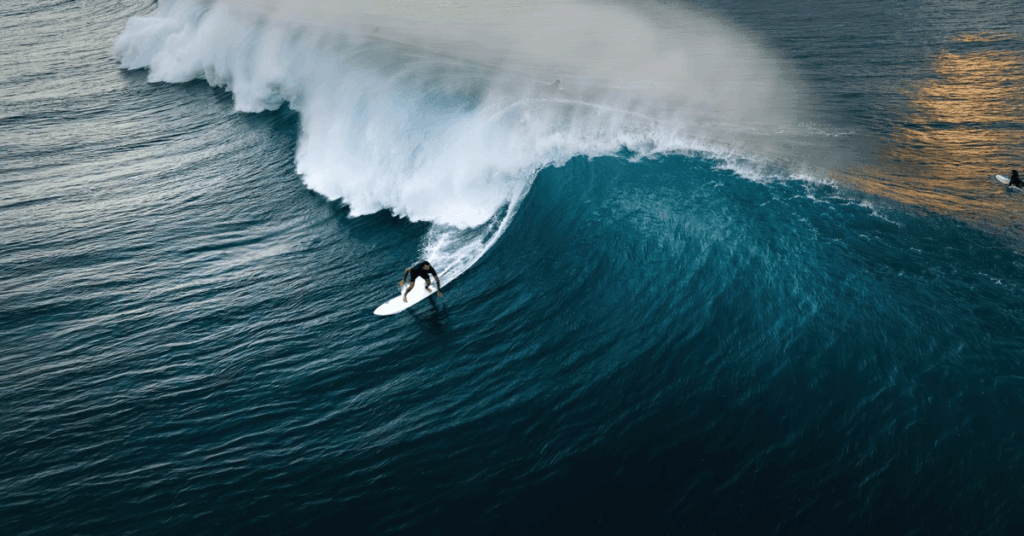
Fans have been calling for more lefts on the championship tour for years, and in 2026, the WSL has finally delivered. Raglan’s addition to the CT calendar feels less like a novelty and more like a long-overdue correction. A world-class left, in a place dripping with surf culture, added at a time when the tour is clearly rethinking what it wants to represent.
And after watching a goofy-footed world champion take the title last season, a wave like Raglan suddenly becomes far more than just scenic. It’s a genuine competitive variable. Manu Bay’s long, peeling left now sits alongside point breaks like Bells and Snapper, helping round out a tour that balances flowing walls with punchy beach breaks and heavy barrels.
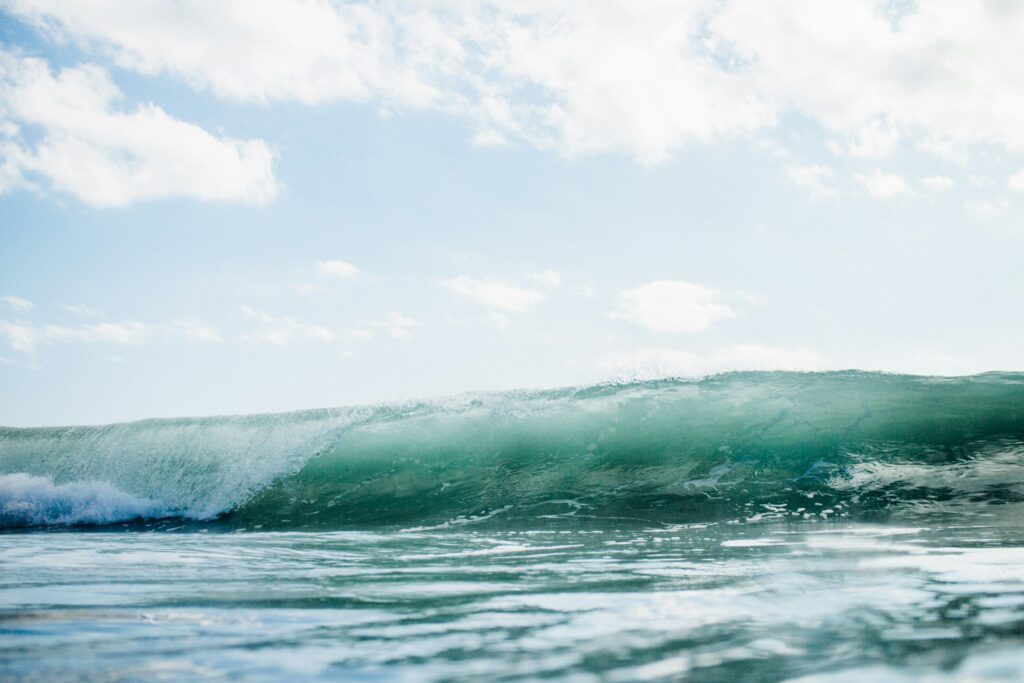
Then there’s the audience side of things. The WSL’s core viewership still skews heavily toward traditional surf markets like Australia, Brazil, the United States, and Western Europe. For many of those viewers, New Zealand sits slightly outside the usual surf daydream rotation. That’s exactly why Raglan works. A new CT stop already brings curiosity, but placing it in a location that feels unexplored reignites that sense of discovery the tour was once built on. This isn’t just another event to watch; it’s a place to learn about.
I’ve felt that pull firsthand. Surfing New Zealand’s South Island taught me quickly that Kiwi surfers embody adventure in its truest form. You travel further, check more forecasts, and accept a level of uncertainty that surfers in more “reliable” regions rarely have to. Waves can be fickle, weather can turn fast, and access often requires effort but when it comes together, it feels earned. That mentality runs deep in New Zealand’s surf culture, and Raglan sits right at the centre of it.
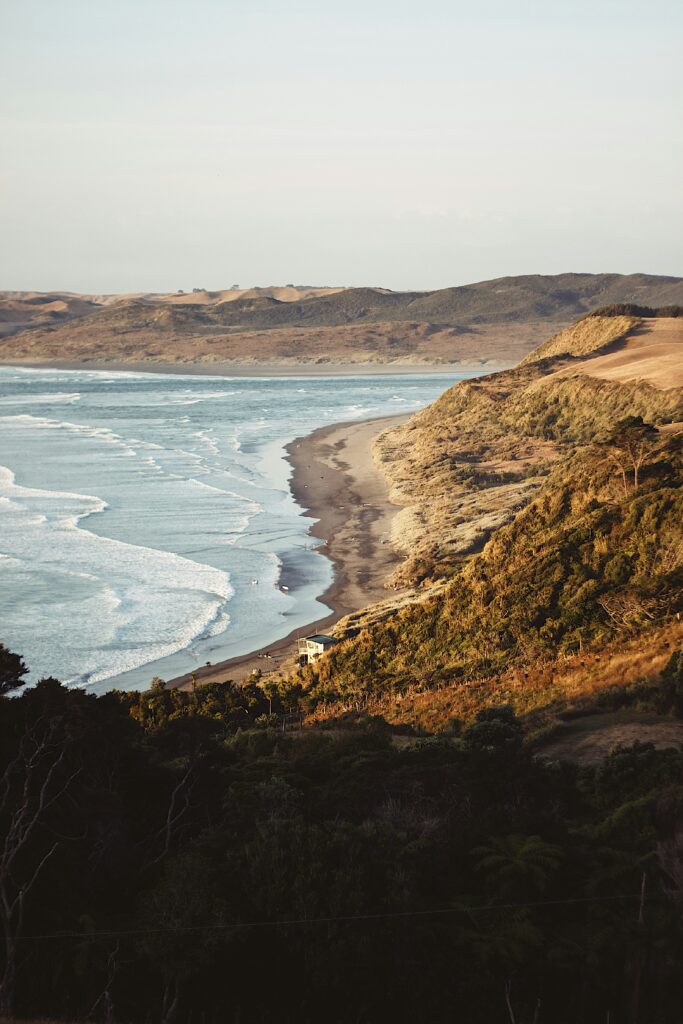
Much like Jeffreys Bay, Raglan is a through-and-through surf town. Surfing didn’t arrive here with competition scaffolding – it’s been woven into the place since the 1960s when it appeared in The Endless Summer (1966), shaping its creative, alternative, and environmentally conscious identity. Losing J-Bay hurts (and I genuinely hope we see it return), but Raglan carries that same sense of authenticity and history that made J-Bay such a meaningful stop on tour.
From a fan experience perspective, Raglan feels close to perfect. The natural amphitheatre of Manu Bay offers elevated viewing, long sightlines, and the kind of setting that makes watching heats feel unforced and immersive. In between heats, viewers can explore coastal walks, yoga studios, vintage shops, local art galleries, and a lively cafe culture.
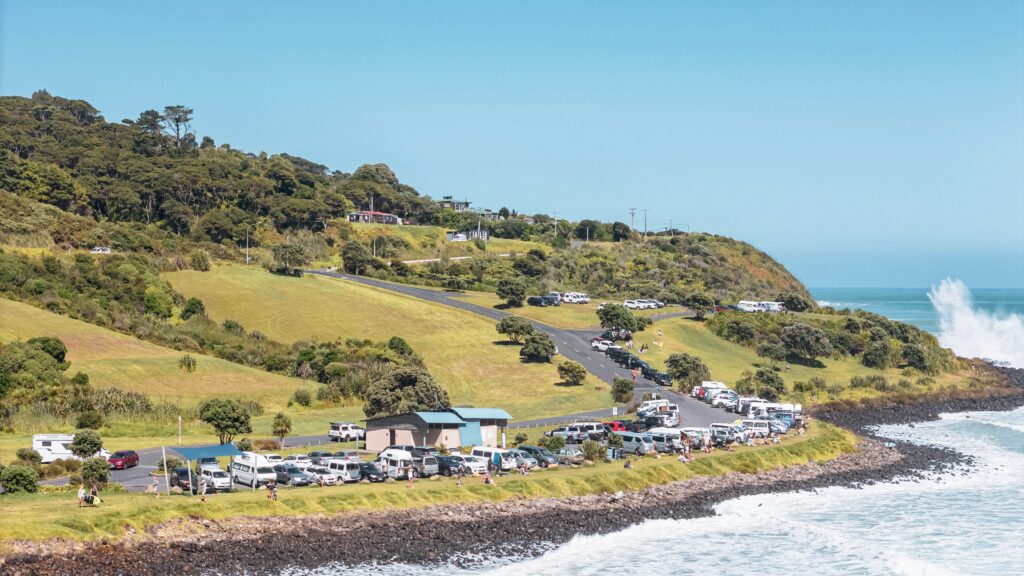
Timing-wise, the conditions stack up well. Early autumn in New Zealand typically brings consistent Southern Ocean swells, with Raglan comfortably handling head-high to well overhead surf when it’s on. Water temperatures hover around 17°C, meaning wetsuits, most likely 3/2mm unless it creeps into slightly cooler temperatures. In many ways, Raglan sits somewhere between Bells and J-Bay – long walls, real power, and the possibility of marathon rides when the swell lines up.
From a marketing perspective, this is where things get especially interesting. Raglan gives the WSL licence to lean into lifestyle storytelling – not just heat recaps, but place-driven narratives. I’d love to see behind-the-scenes content that showcases New Zealand’s landscapes, Māori culture, food, and creative communities alongside the surfing. Perhaps we’ll even see Luke Cederman (creator of The Raglan Surf Report) doing post-heat interviews or getting amongst the surf action himself!
I’m fascinated to see what brands steps in. Kathmandu feels like an obvious fit. While not a surf brand, their outdoor heritage, sustainability focus, and overlap with the surf-adjacent lifestyle make them a natural partner. With support from Tourism New Zealand, the WSL has an opportunity to build partnerships that go beyond the lineup. We may see collaborations with New Zealand-grown brands across food, coffee, and eco-tourism – partnerships that feel additive rather than imposed. Personally, I’d love to see the WSL work alongside local surf shops such as Raglan Surf Co who have cultivated the local surf culture for decades.
Logistically, it’s a smart move too for the WSL. The hop from Australia to Raglan is generous on surfers’ bodies and routines, and it may even hand Aussie surfers a subtle home-ground advantage. Familiar water temps, similar conditions, fewer time zones – small edges that matter over a long season.
More than anything, Raglan feels like a step back toward the Dream Tour; surfing incredible waves, in meaningful places, around the world. It’s not perfect, and losing J-Bay stings, but as a statement of intent, this one feels right.