Most marketing conversations happen inside dashboards or meetings. We debate metrics, formats, algorithms, and frameworks. But real brand decisions rarely happen there. They happen in everyday moments, choosing between two options, trusting a recommendation, or sticking with something familiar when everything else feels uncertain.
Being on the ground and interacting with everyday consumers sharpens your perspective in a way the office never can. When you’re deep in data, it’s easy for judgement to become clouded. Travel forces you out of that. You watch how people actually behave. These aren’t lessons you pick up from reports or guides. They come from lived experience. Some things need to be felt, not analysed.
That became especially clear to me while backpacking and paying attention to how brands exist in everyday life. Whether in polished European capitals, the busy medinas of Morocco, or the bright lights of Tokyo, the contexts couldn’t have been more different, yet the underlying marketing truths were strikingly similar.
1. Consistency beats cleverness every single time
When you’re travelling, your environment changes constantly. Languages, food, customs, currencies, everything feels unfamiliar. One of the few constants is brand recognition. I felt this most in unfamiliar supermarkets, where so many brands blend together and a familiar logo instantly cuts through the noise. Familiar brands don’t need an introduction. They feel reliable before you even engage.
I saw plenty of clever campaigns across Europe and beyond, but the ones that stayed with me were rarely the most elaborate. Inside the compact orange carriages of the Glasgow Subway, I noticed ads designed for the short gaps between stations. They weren’t flashy, but they were clear, consistent, and instantly legible, exactly what the environment required.

That same preference for clarity showed up in my own decision-making. When it came time to choose a meal, a piece of gear, or a service, I often defaulted to brands I already knew and trusted. Not because they were clever, but because they were consistent. The same branding. The same cues. The same feeling I’d felt back home.
Clever ideas create spikes. Consistency creates memory and mental availability. Distinctiveness isn’t built in moments. It’s built through repetition.
2. People remember how something made them feel, not what it said
Marketers often treat slogans and copy as make or break. In reality, it’s the feeling that lingers. You forget the words quickly, but you remember ease, warmth, friction, confidence, or stress.
While climbing Mount Olympus in Greece or trekking through the Himalayas in Nepal, the brands that stuck with me weren’t the ones shouting features. They were the ones that made me feel something. Inspired, small, capable, connected to nature. Think Patagonia, North Face, Merrell. Often it was as simple as imagery or tone.
Marketing leaves emotional residue. Experience is the brand, whether you intend it or not. Marketing doesn’t end at the message. It lingers in the feeling.
3. Just because something is measurable doesn’t mean it’s meaningful
Marketers are prone to getting lost in metrics. Data backed strategy matters, but marketing is ultimately something that’s felt, and much of that is intangible. No one in the real world thinks in open rates or CTRs. They think in trust and familiarity.
Especially now, as data becomes less reliable due to privacy regulation like the EU’s GDPR and Apple’s privacy updates, it’s risky to rely solely on dashboards. Talk to your customers. Talk to your community. Understand what they’re feeling, not just what they’re clicking.
Metrics are proxies, not outcomes. Visibility is not the same as value.
4. Advocacy outperforms advertising
While travelling, I almost always trusted locals over my own research. Sometimes I’d be cautious if there was an obvious agenda, but more often than not they offered the most up to date, honest advice, from routes to take to gear to use.
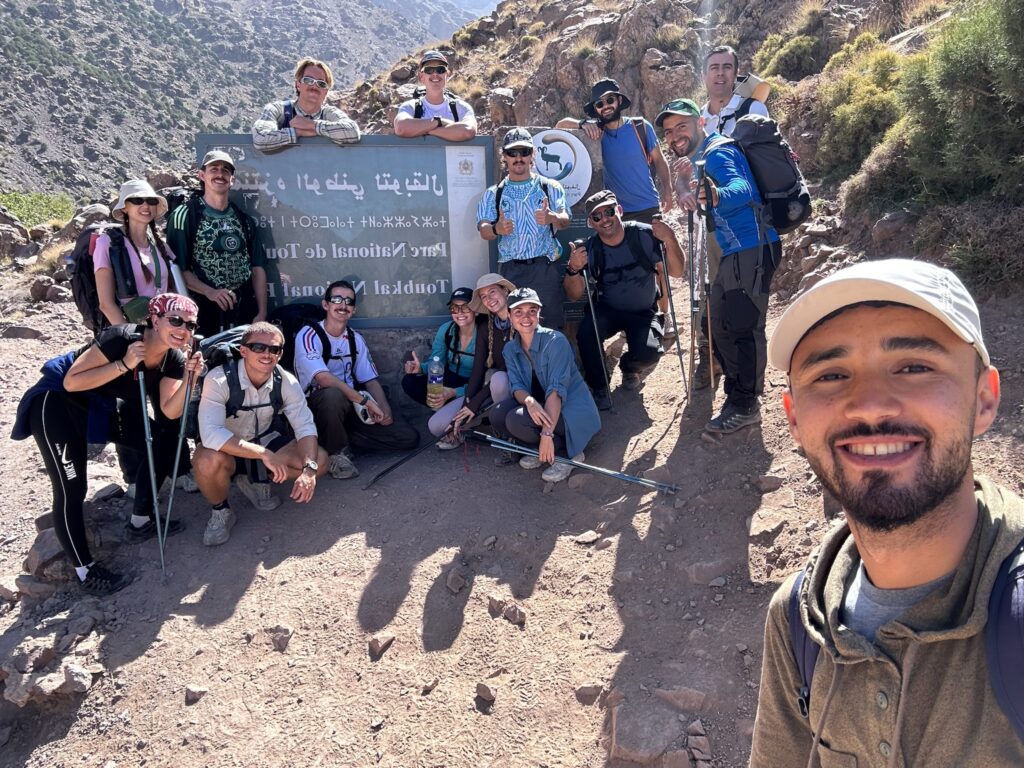
In Morocco, our hiking guide spoke about certain gear brands with genuine conviction. He had tested them in harsh terrain and trusted them completely. In that moment, he became their most powerful marketing asset on the ground, a brand advocate whose credibility no paid campaign could replicate.
Now, deep into a snow season in Hakuba, I trust the people I ride with more than polished websites or online gear reviews. In industries like snowboarding and surfing, advocacy matters more than ads.
Word of mouth can’t be forced or scaled like paid media. It’s earned through consistency, experience, and trust. The strongest brands aren’t just talked about. They’re stood behind.
5. Trying to appeal to everyone usually weakens the experience
The most memorable brands and places feel opinionated. They’re clear about who they’re for and who they’re not. Patagonia’s environmental stance won’t resonate with everyone, and that’s the point. Vans was built for skaters before becoming a mainstream success. Salomon has deep roots in mountain sports. The brand speaks primarily to athletes and serious users, and doesn’t soften its identity for the latest trends.
Broad appeal often leads to generic experiences. Clarity creates meaning and meaning creates loyalty.
Conclusion
Some of the most valuable marketing lessons don’t come from frameworks or trend reports. They come from paying attention to people, behaviour, and how brands show up in the real world. Sometimes, the best way to become a better marketer is simply to step outside the office and observe.